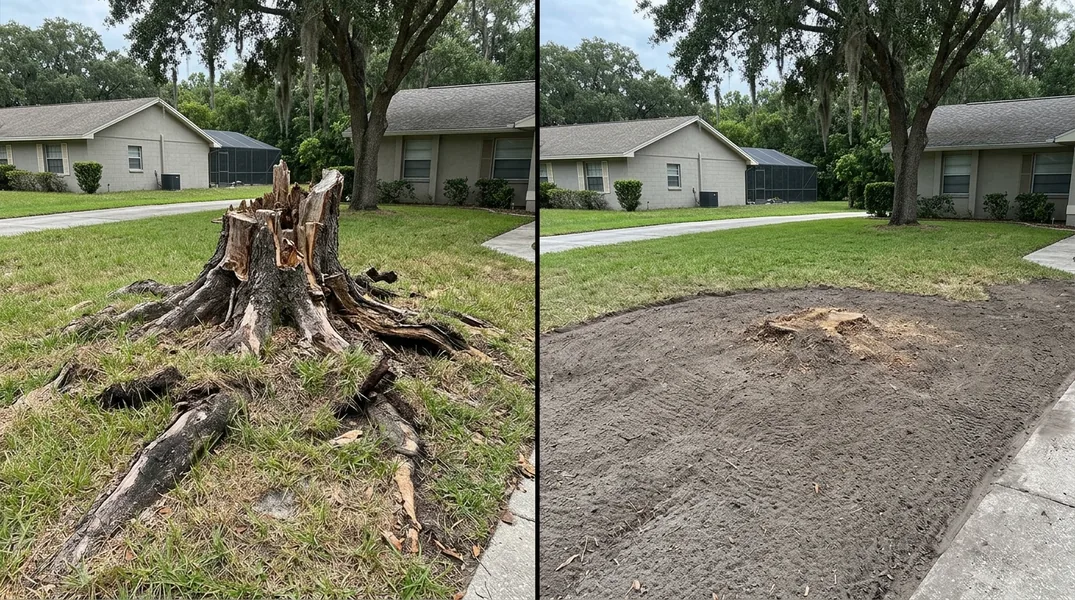
Immediate Safety Steps After a Storm or Tree Fall
When a tree falls on your property or severe storm damage occurs, your first priority is safety, not cleanup. Before you assess the damage or attempt any removal yourself, take a moment to ensure no one is in immediate danger. If a tree has fallen across power lines, stay far away and call your local utility company immediately. Downed power lines are extremely hazardous and should never be touched or approached, even if they appear inactive.
Next, check your home for structural damage, gas leaks, or electrical hazards. If you smell gas or see obvious structural compromise, evacuate and contact emergency services. Once you have confirmed that your family and property are safe from immediate threats, you can begin documenting the damage for insurance purposes. This documentation step is crucial and often determines how much your insurance will cover, so it should not be rushed or overlooked.
Documenting Storm Damage and Fallen Trees for Insurance Claims
Insurance companies require detailed documentation before they approve claims for storm-related tree damage. Start by taking clear photographs and video footage of the fallen tree, any damage to your home, landscaping, vehicles, or other structures on your property. Capture wide shots that show the overall scene and close-ups that highlight specific damage. Include photos of the tree's root system if it has been uprooted, as this helps prove the tree was healthy before the storm. Photograph the tree from multiple angles and include reference objects like your house or fence to show scale.
Create a written record that includes the date of the storm, weather conditions at the time, and a detailed description of what happened. Note whether the tree was healthy before the storm or if it showed signs of disease or weakness. If you had any prior maintenance records, arborist reports, or photos of the tree in good condition, gather those documents as well. Your insurance adjuster will want to verify that the tree was not already hazardous or neglected. Keep all receipts for any temporary repairs or emergency measures you take to protect your property from further damage while waiting for professional Tree Removal.
When to Call Emergency Tree Service Near Me
Not all fallen tree situations require immediate professional intervention, but many do. If the tree is blocking your driveway, leaning dangerously against your house, hanging over a neighbor's property, or creating any safety hazard, you need Emergency Tree Service right away. Similarly, if the tree has damaged your roof, crushed a vehicle, or severed utility lines, professional help is essential. Attempting to remove a large fallen tree yourself can result in serious injury, property damage, or legal liability if someone on your property or a neighbor's property gets hurt.
In Orlando, weather events can happen suddenly, and having a trusted tree service on speed dial is smart planning. Orlando Tree Service offers 24/7 response to emergency situations, which means you do not have to wait until business hours to address a dangerous fallen tree. The sooner you contact a professional, the sooner the hazard can be safely removed and your property can begin to recover. Do not let a fallen tree sit for days while you gather quotes; the longer it remains, the greater the risk to your family and property.
Understanding Your Insurance Coverage for Tree Damage
Most homeowners insurance policies do cover tree damage that results from a sudden, violent event like a severe storm, high winds, or lightning strike. However, coverage varies significantly depending on your policy and insurance company. Some policies limit the amount they will pay per tree, while others may have a separate deductible for tree removal. Read your policy carefully or contact your insurance agent to understand exactly what is and is not covered before you need to file a claim.
Insurance typically does not cover trees that fall due to poor maintenance, disease, or general neglect. If your insurance company suspects that the tree was already dead, diseased, or obviously hazardous before the storm, they may deny your claim or reduce the payout. This is another reason why maintaining healthy trees and having them inspected regularly by a certified arborist is important. If you are unsure about the health of trees on your property, consider scheduling a professional inspection before storm season arrives. When you do file a claim, provide your insurance company with all the documentation you gathered, including photos, written descriptions, and any professional assessments of the tree's condition.
Choosing a Qualified Professional for Storm Damage Cleanup
After a major storm, you may receive offers from tree removal companies that appear suddenly in your neighborhood. While some are legitimate, others may be unlicensed, uninsured, or operating from out of state with no local accountability. Before hiring anyone to remove a fallen tree, verify their credentials. Ask for proof of liability insurance and workers compensation coverage. A reputable company like Orlando Tree Service will gladly provide these documents and can answer your questions about their experience with storm damage and insurance claims.
Request multiple quotes and compare not only price but also the scope of work, timeline, and cleanup included. A professional company will remove the tree, haul away debris, and leave your property clean. They should also be willing to work with your insurance company and may even assist with the claims process. When you contact a tree service, ask about their experience handling storm damage in your area and whether they can provide references from other homeowners. Getting a free estimate from Orlando Tree Service is a good way to understand what you should expect to pay and what the removal process will look like.
Tree Removal Cost in Orlando: What to Budget After Storm Damage
The cost of removing a fallen tree varies widely depending on the size of the tree, its location on your property, how it has fallen, and what damage it has caused. A small tree in an open area might cost between 300 and 800 dollars to remove, while a large tree that has damaged structures or is entangled with power lines could cost several thousand dollars. If the tree has damaged your roof or other parts of your home, you may need to hire contractors in addition to the tree removal company, which increases total expenses. Insurance may cover some or all of these costs, which is why documentation and filing a claim promptly is so important.
When evaluating pricing from different companies, make sure you understand what is included. Some companies quote only the tree removal, while others include stump removal, debris hauling, and site cleanup. Ask whether the quote is a fixed price or an estimate, and what factors might cause the final bill to differ. If you need additional services like Stump Grinding or Tree Trimming & Pruning of remaining trees to prevent future problems, ask about package pricing. Orlando Tree Service can provide a detailed breakdown of costs so you know exactly what you are paying for and can present that information to your insurance company.
Preventing Future Storm Damage: Proactive Tree Care
Once your immediate emergency is resolved and your property is cleaned up, take time to assess your remaining trees and plan for the future. Regular tree maintenance significantly reduces the risk of storm damage. Trees that are pruned properly, free of dead branches, and structurally sound are far less likely to fail during high winds or heavy weather. Diseased or weak trees should be removed before they become a hazard. If you have large trees near your home, having them inspected by a certified arborist every few years is a wise investment in your property's safety and value.
Consider your landscaping layout as well. Trees that are too close to your house, garage, or utility lines pose greater risks during storms. If you are replanting after a fallen tree, choose species suited to Florida's climate and space them appropriately. Proper species selection and placement can reduce maintenance needs and storm vulnerability. Orlando Tree Service can help you evaluate your property's tree health and recommend preventive measures. By being proactive about tree care, you can minimize the chances of experiencing another storm damage emergency and the stress, expense, and insurance hassle that comes with it. Call Orlando Tree Service at (321) 320-6352 today to schedule a property assessment or to get help with any fallen trees on your property.
Looking for a professional tree service in Orlando? Orlando Tree Service responds fast for all your tree service needs.
Get a Free QuoteOur services: Tree Removal · Tree Trimming & Pruning · Stump Grinding