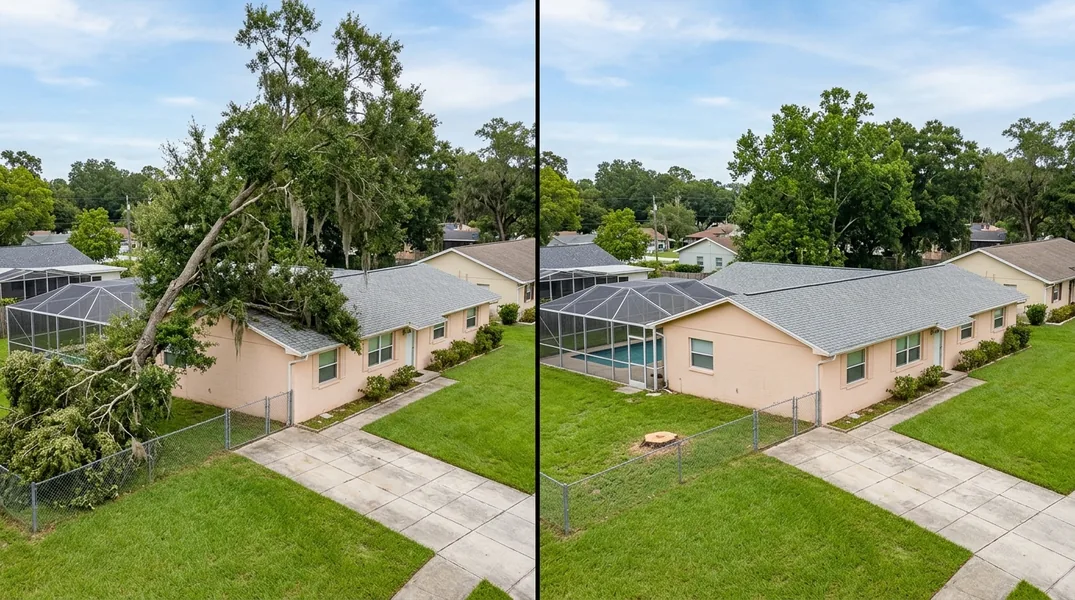
Understanding Orlando Tree Removal Permits
If you own property in Orlando, you may be surprised to learn that you cannot simply remove a tree whenever you please. The city of Orlando has specific regulations governing Tree Removal to protect the urban forest and maintain the community's aesthetic appeal. A tree removal permit orlando is often required before you can legally cut down a tree on your property, and understanding these requirements can save you from costly fines and legal complications.
The purpose of requiring a tree removal permit orlando is multifaceted. City officials want to ensure that property owners are not indiscriminately removing healthy, mature trees that contribute to the environment, provide shade, and enhance neighborhood character. Additionally, permits help verify that the removal is being done safely and by qualified professionals who follow proper protocols. Whether your tree is diseased, dead, or simply in the way of a construction project, the permitting process exists to balance property rights with community interests.
Orange County Tree Removal Rules and Regulations
Orange County tree removal rules extend beyond just the city of Orlando and apply to the broader region. If you live in an unincorporated area of Orange County, you will need to comply with county-level ordinances that may differ slightly from city regulations. The Orange County tree removal rules generally require permits for removing trees over a certain diameter, typically measured at breast height (DBH). Most jurisdictions in the county protect trees that are 6 inches in diameter or larger, though some areas have different thresholds.
One critical aspect of Orange County tree removal rules is that they often require documentation of the tree's condition before removal is approved. If a tree is healthy and mature, the county may deny your permit application unless you can demonstrate a legitimate reason for removal, such as disease, structural danger, or necessary construction. This is why many homeowners find themselves needing professional evaluation before even submitting a permit application. Understanding these regional variations is essential if you want to avoid delays or rejections in the permitting process.
When You Need an Arborist Report Orlando
An arborist report orlando is often the key document that determines whether your tree removal permit will be approved. If you want to remove a large, healthy tree, the city or county will typically require an assessment from a certified arborist who can provide professional documentation of the tree's health status, structural integrity, and potential risks. This report becomes your evidence that removal is justified, whether due to disease, pest infestation, structural defects, or legitimate safety concerns.
Obtaining an arborist report orlando involves hiring a qualified tree care professional to inspect your tree and prepare a detailed written assessment. The arborist will evaluate the tree's overall health, look for signs of disease or pest damage, assess structural stability, and determine whether the tree poses a hazard to people or property. This report typically includes photographs, measurements, and professional recommendations. While this adds to the cost of the removal process, it is often necessary to move forward with your project. Many homeowners in the area find it helpful to contact a local tree service company that can coordinate both the arborist evaluation and the eventual removal work.
What Trees Are Protected in Orlando
Not all trees in Orlando receive the same level of protection. The city maintains a list of protected tree species that are considered particularly valuable to the urban landscape. Native species such as live oaks, laurel oaks, and other heritage trees typically receive stronger protections than ornamental or non-native species. If your tree is on the protected list, you will face a more stringent permitting process and may need to provide compelling justification for removal.
Additionally, trees located in certain zones or districts may have enhanced protections. For example, trees in historic neighborhoods, environmental conservation areas, or designated tree preservation zones require extra scrutiny before permits are issued. Even if your tree is not on the protected species list, its size, age, and location can influence whether removal is permitted. It is always wise to check with the city or county before assuming you can remove a tree. When in doubt, reaching out to a professional tree service company can provide clarity on your specific situation and help you navigate the permitting requirements.
The Tree Removal Permit Application Process
The process of obtaining a tree removal permit orlando involves several steps that vary slightly depending on whether you are in the city or unincorporated Orange County. Generally, you will need to submit an application to the appropriate municipal or county department, which typically includes details about the tree (species, size, location), the reason for removal, and supporting documentation such as photographs or an arborist report. The application fee is usually modest, ranging from $50 to $150, though costs can vary.
After you submit your application, city or county staff will review it to determine whether the removal is justified. This review process can take anywhere from a few days to several weeks, depending on the complexity of your case and the current workload of the permitting office. If additional information is needed, such as a more detailed arborist report orlando or clarification on the removal reason, you will be contacted. Once approved, you will receive a permit that is typically valid for a set period, usually 30 to 90 days. It is important to note that permits expire, so you should schedule your Tree Removal within the allowed timeframe to avoid having to reapply.
Hiring a Professional Tree Service for Permit Compliance
One of the smartest decisions you can make when facing a tree removal situation is to hire a licensed, insured tree service company that understands local regulations. Professional arborists and tree care specialists are familiar with the orlando tree ordinance and can help you determine whether a permit is needed before you invest time and money in the process. They can also prepare or coordinate the necessary documentation, including arborist reports, and handle the permitting process on your behalf. This takes the guesswork out of compliance and significantly reduces the risk of costly mistakes.
When you contact Orlando Tree Service at (321) 320-6352, our team can assess your tree removal needs and guide you through every step of the permitting process. Whether you need a free estimate or professional advice on whether a permit is required, we are here to help. We handle everything from initial evaluation to final removal and can even provide Stump Grinding services once the tree is down. By working with professionals who know the local landscape and regulations, you ensure that your project proceeds smoothly and legally.
Common Mistakes to Avoid When Removing Trees
Many homeowners make costly errors when attempting to remove trees without understanding local requirements. The most common mistake is removing a tree without obtaining a required permit, which can result in fines ranging from hundreds to thousands of dollars. Some jurisdictions have even levied penalties exceeding $10,000 for unpermitted removal of protected trees. Beyond financial penalties, you could face legal action requiring you to replant a tree of similar size and species, which adds significant expense to your project.
Another frequent error is underestimating the complexity of tree removal or the need for professional evaluation. Attempting DIY removal of large trees is dangerous and can result in property damage or personal injury. Additionally, improper removal techniques can damage surrounding landscape features or create hazardous conditions. Finally, homeowners sometimes delay action on problematic trees, thinking they can wait out the permitting process. If a tree poses an immediate safety hazard, you may be able to remove it under emergency provisions, but this still typically requires notification to the city. Understanding the rules upfront and working with professionals prevents these costly mistakes.
Looking for a professional tree service in Orlando? Orlando Tree Service responds fast for all your tree service needs.
Get a Free QuoteOur services: Tree Removal · Tree Trimming & Pruning · Stump Grinding